Baseball Puzzlers
Eight problems, pages 42–43
Eight situations from the back of the booklet, each of which looks like a mistake until you find the rule that covers it. The answers are the book’s own. They sat in plain sight two inches below the questions on page 42; here you have to ask for them.
A word of warning: these are the rules as they stood in 1953, and one or two have moved since. Answer 7 in particular describes a penalty no modern rulebook imposes.
Problem No. 1
First batter singles. Yet, side is retired without runner advancing and none of the defensive players takes part in any of the three outs. How is this accomplished?
Ask the umpire
Second batter bunts. His thrown bat hits ball a second time in fair territory. This makes ball dead. Umpire rules batter out and sends runner back to first. Third batter tops slow roller down first base line. It hits batter in leg as he starts to run. Ump declares batter out for being hit by batted ball and again orders runner back to first. Fourth batter raps ground single between first and second. Ball hits runner going from first to second. He is declared out for being hit by batted ball.
Problem No. 2
With bases full and two out, batter smashes long drive between outfielders and circles bases for inside-park homer before they can return ball to infield. Second baseman recovers ball and steps on second. He says runner on first at time batter hit ball never touched second and should be called out. Umpire agrees and calls him out, retiring side. How many of the four runs which crossed the plate are allowed?
Ask the umpire
None. No runs can score on a force-out that ends inning.
Problem No. 3
With runner on first and one out, batter lifts high infield fly. The batter doesn’t run out fly and runner on first stays close to bag. Shortstop drops ball, picks it up and tosses it to second baseman covering second. Second baseman relays it to first. How many outs were made on this play?
Ask the umpire
Batter and runner both thought infield fly rule applied. That’s why they didn’t run. But infield fly rule does not apply except when there are runners on first and second or first, second and third with less than two outs. So both batter and runner are out.
Problem No. 4
With infield playing in close to shut off run at plate, batter hits ground ball which skips by shortstop as he makes late stab at ball. Ball hits runner racing from second to third. Is the runner out?
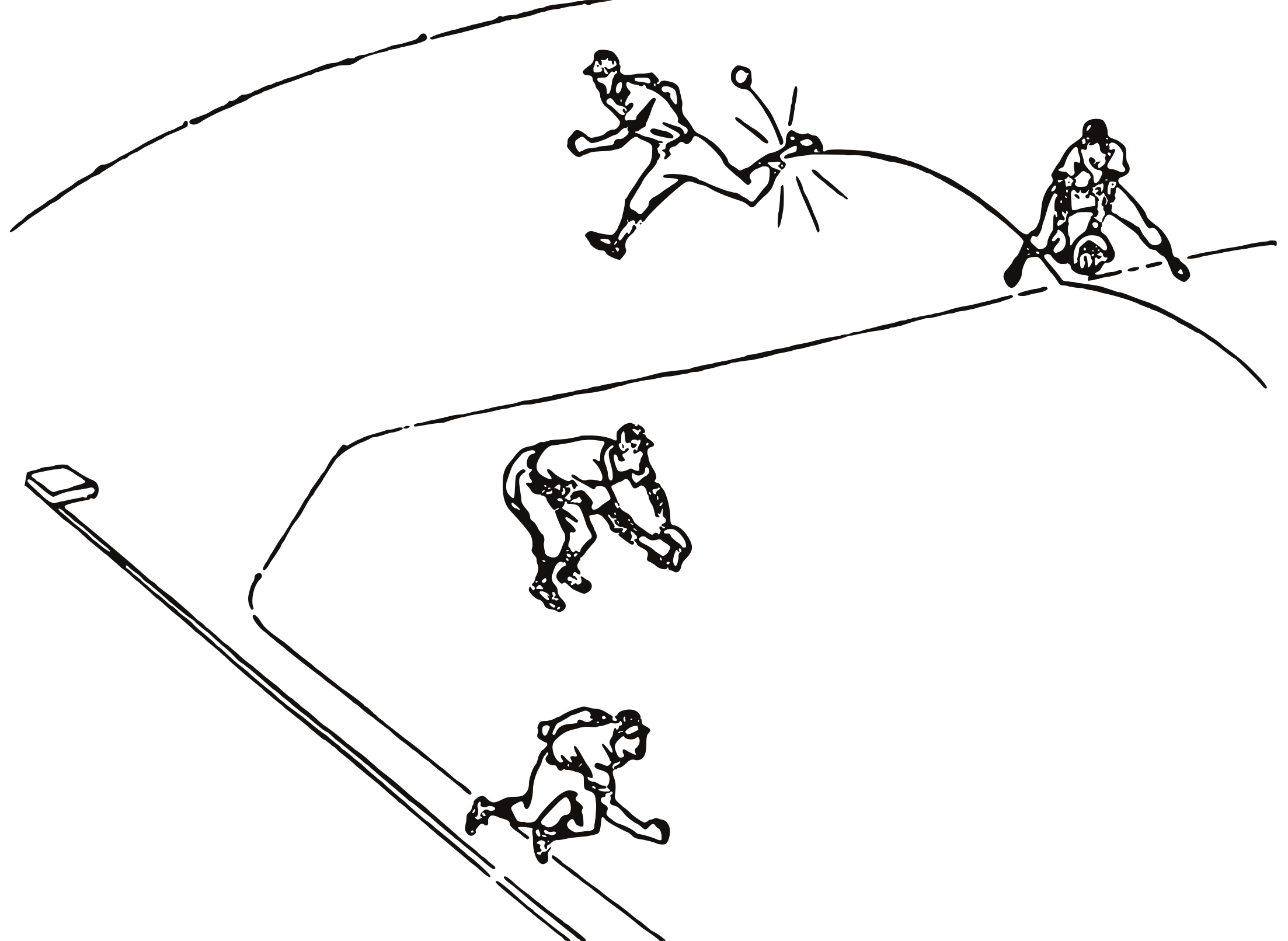
The rule says a runner hit by a batted ball is out. This runner was hit by a batted ball, but the umpire didn’t call him out. Why? (See Problem 4) Ask the umpire
No. Runner is out when hit by a batted ball only when he is hit before infielder has chance to make play. In this case, shortstop missed chance to field ball before it hit runner.
Problem No. 5
How can a team hit two triples and four singles in one inning and yet not score a run?
Ask the umpire
First batter triples, but catcher picks him off third with snap throw. Second batter triples but is thrown out at plate trying to stretch it into a home run. Third batter singles. Fourth batter singles, runner on first stopping at second. Fifth batter singles, other runners each advancing one base. Now, with bases full and two outs, sixth batter hits ground ball toward shortstop. Ball hits runner going from second to third as he passes in front of shortstop. Runner is out automatically for being hit by batted ball, so side is retired without a run. However, rules credit sixth batter with making fourth single of inning.
Problem No. 6
With bases full in last of ninth, two out and score tied, 3-3, batter hits long drive against left field fence. How can this game go into extra innings?
Ask the umpire
In excitement over delivering hit that apparently won game, batter turned toward dugout before reaching first base. Rival first baseman saw this, called for ball and tagged first. Umpire called batter out for not touching first and side was retired without any runs scoring.
Problem No. 7
How can lapse by team in field deprive batter of home run and force him to bat again?
Ask the umpire
After batter has crossed plate, umpire discovers one of nine players of fielding team is missing. Rule states no more or less than nine players shall be in field, in any instance. Therefore, home run is voided and batter must hit again with men in field.
Problem No. 8
Is it possible for relief pitcher to be taken out of game (except for injury), without pitching to one batter?
Ask the umpire
Yes. Relief pitcher enters game with bases full or two outs. He picks runner off first and retires side. He then can be lifted for a pinch hitter in his team’s turn at bat. Rule states if a pitcher is replaced, his substitute shall pitch to man then at bat until such batter is retired or reaches first base, or until inning ends. The relief pitcher’s pick-off ended inning. Therefore, he could be lifted for pinch-hitter in his team’s turn at bat.
Problems and answers as printed on pages 42 and 43, with the drawing from page 43.